ലോകം ഇന്ന് എന്തുകൊണ്ട് ജനസംഖ്യാ ദിനം ആചരിക്കുന്നു? 500 കോടിയിൽ നിന്ന് 800 കോടിയിലേക്കുള്ള മനുഷ്യരാശിയുടെ യാത്രയും മാറുന്ന ജനസംഖ്യാ യാഥാർഥ്യങ്ങളും
ജൂലൈ 11. ലോക കലണ്ടറിലെ മറ്റൊരു സാധാരണ ദിനമല്ല ഇത്. ലോക ജനസംഖ്യയുടെ എണ്ണത്തെയും അതിലുപരി മനുഷ്യരുടെ ജീവിത നിലവാരത്തെയും വികസനത്തെയും കുറിച്ച് ചിന്തിക്കാൻ ഐക്യരാഷ്ട്രസഭ ആഹ്വാനം ചെയ്യുന്ന ദിനമാണ് ഇന്ന്. അതാണ് ലോക ജനസംഖ്യാ ദിനം (World Population Day).
ഒരുകാലത്ത് ലോകത്തെ ആശങ്കപ്പെടുത്തിയത് അതിവേഗ ജനസംഖ്യാ വർധനയായിരുന്നു. ഇന്ന് ചിത്രം മാറിയിരിക്കുന്നു. ചില രാജ്യങ്ങളിൽ കുട്ടികൾ ജനിക്കുന്നത് കുറയുന്നു. ചില രാജ്യങ്ങളിൽ ജനസംഖ്യ ചുരുങ്ങുന്നു. മറ്റുചില രാജ്യങ്ങളിൽ പ്രായമായവരുടെ എണ്ണം കുത്തനെ ഉയരുന്നു. അതേസമയം ഇന്ത്യ, നൈജീരിയ, എത്യോപ്യ തുടങ്ങിയ രാജ്യങ്ങളിൽ യുവജനസംഖ്യ വൻതോതിൽ വർധിക്കുകയാണ്.
അതുകൊണ്ടുതന്നെ ലോക ജനസംഖ്യാ ദിനം ഇന്ന് ജനസംഖ്യയുടെ എണ്ണം എണ്ണുന്ന ദിനമല്ല; ലോകത്തിന്റെ സാമൂഹിക, സാമ്പത്തിക, ആരോഗ്യ, തൊഴിൽ, പരിസ്ഥിതി ഭാവിയെക്കുറിച്ച് ചർച്ച ചെയ്യുന്ന ദിനമാണ്.
എന്തുകൊണ്ട് ജൂലൈ 11?
ജൂലൈ 11 ലോക ജനസംഖ്യാ ദിനമായി തിരഞ്ഞെടുക്കാൻ ഒരു ചരിത്രസംഭവമാണ് കാരണം.
1987 ജൂലൈ 11-ന് ലോക ജനസംഖ്യ അഞ്ച് ബില്യൺ (500 കോടി) പിന്നിട്ടുവെന്നാണ് ഐക്യരാഷ്ട്രസഭ കണക്കാക്കിയത്. മനുഷ്യചരിത്രത്തിലെ ഒരു സുപ്രധാന നാഴികക്കല്ലായിരുന്നു അത്.
ഈ നേട്ടത്തെ “Day of Five Billion” എന്ന പേരിൽ ആചരിച്ചു. ജനസംഖ്യാ വളർച്ചയുടെ വേഗം, ഭക്ഷ്യസുരക്ഷ, ആരോഗ്യസംരക്ഷണം, ദാരിദ്ര്യം, പരിസ്ഥിതി, വിദ്യാഭ്യാസം തുടങ്ങിയ വിഷയങ്ങൾ ആദ്യമായി ഇത്ര വ്യാപകമായി ആഗോള ചർച്ചയായി മാറുകയും ചെയ്തു.
ലോക ജനസംഖ്യാ ദിനത്തിന്റെ തുടക്കം
1987-ലെ “Day of Five Billion” സൃഷ്ടിച്ച ആഗോള ബോധവൽക്കരണത്തിന്റെ തുടർച്ചയായാണ് 1989-ൽ ഐക്യരാഷ്ട്രസഭയുടെ വികസന പരിപാടിയായ UNDP എല്ലാ വർഷവും ജൂലൈ 11 ലോക ജനസംഖ്യാ ദിനമായി ആചരിക്കണമെന്ന് തീരുമാനിച്ചത്.
തുടർന്ന് 1990 ഡിസംബറിൽ ഐക്യരാഷ്ട്രസഭാ പൊതുസഭ ഇത് ഔദ്യോഗികമായി അംഗീകരിച്ചു.
1990 ജൂലൈ 11-നാണ് ലോക ജനസംഖ്യാ ദിനം ആദ്യമായി ആചരിച്ചത്. അന്ന് 90-ലധികം രാജ്യങ്ങൾ വിവിധ പരിപാടികൾ സംഘടിപ്പിച്ചു. ഇന്ന് 150-ലധികം രാജ്യങ്ങളിൽ ഈ ദിനം ആചരിക്കപ്പെടുന്നു.
ഈ ദിനത്തിന്റെ പ്രധാന ലക്ഷ്യങ്ങൾ
ലോക ജനസംഖ്യാ ദിനം ജനസംഖ്യ വർധനയെക്കുറിച്ചുള്ള ആശങ്ക പ്രകടിപ്പിക്കാൻ മാത്രമുള്ള ദിനമല്ല.
ഈ ദിനം ലക്ഷ്യമിടുന്നത്:
- ജനസംഖ്യാ വിഷയങ്ങളിൽ പൊതുജന ബോധവൽക്കരണം
- സ്ത്രീകളുടെ പ്രത്യുൽപാദന അവകാശങ്ങൾ ഉറപ്പാക്കൽ
- കുടുംബാസൂത്രണ സേവനങ്ങളിലേക്കുള്ള എല്ലാവരുടെയും പ്രവേശനം
- മാതൃ-ശിശു ആരോഗ്യ സംരക്ഷണം
- ലിംഗസമത്വം
- കൗമാരക്കാരുടെ ആരോഗ്യവും വിദ്യാഭ്യാസവും
- യുവജന ശാക്തീകരണം
- സുസ്ഥിര വികസന ലക്ഷ്യങ്ങൾ കൈവരിക്കൽ
- കാലാവസ്ഥാ വ്യതിയാനവും ജനസംഖ്യയും തമ്മിലുള്ള ബന്ധം മനസ്സിലാക്കൽ
ലോക ജനസംഖ്യയുടെ ചരിത്രം
മനുഷ്യചരിത്രത്തിന്റെ ഭൂരിഭാഗം കാലത്തും ലോക ജനസംഖ്യ വളരെ പതുക്കെയാണ് വളർന്നത്.

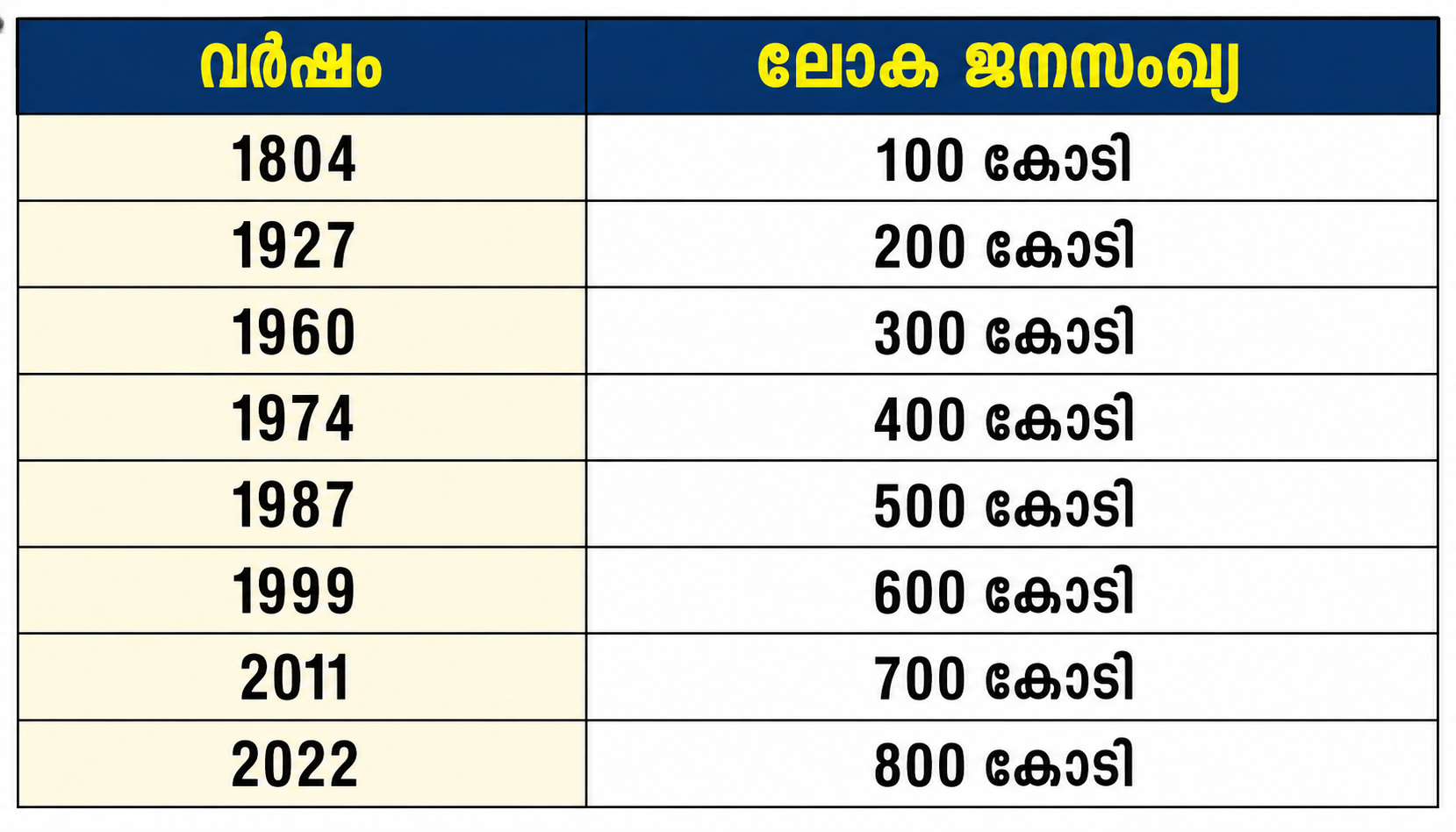
ആദ്യത്തെ 100 കോടി എത്താൻ മനുഷ്യരാശിക്ക് ആയിരക്കണക്കിന് വർഷങ്ങൾ വേണ്ടിവന്നപ്പോൾ, 500 കോടിയിൽ നിന്ന് 800 കോടിയിലെത്താൻ വെറും 35 വർഷം മാത്രമാണ് എടുത്തത്.
ഇന്ന് ലോകത്ത് എത്ര ആളുകളുണ്ട്?
2026-ലെ കണക്കുകൾ പ്രകാരം ലോക ജനസംഖ്യ ഏകദേശം 830 കോടി കടന്നിരിക്കുകയാണ്.
എന്നാൽ വളർച്ചയുടെ വേഗം കുറയുകയാണ്.
1960-കളിൽ ലോക ജനസംഖ്യയുടെ വാർഷിക വളർച്ച 2 ശതമാനത്തിലേറെയായിരുന്നു.
ഇന്ന് അത് ഏകദേശം 0.8 ശതമാനത്തിനടുത്ത് മാത്രമാണ്.
അതായത് ലോക ജനസംഖ്യ ഇപ്പോഴും വർധിക്കുന്നുണ്ടെങ്കിലും മുമ്പത്തെ പോലെ അതിവേഗത്തിലല്ല.
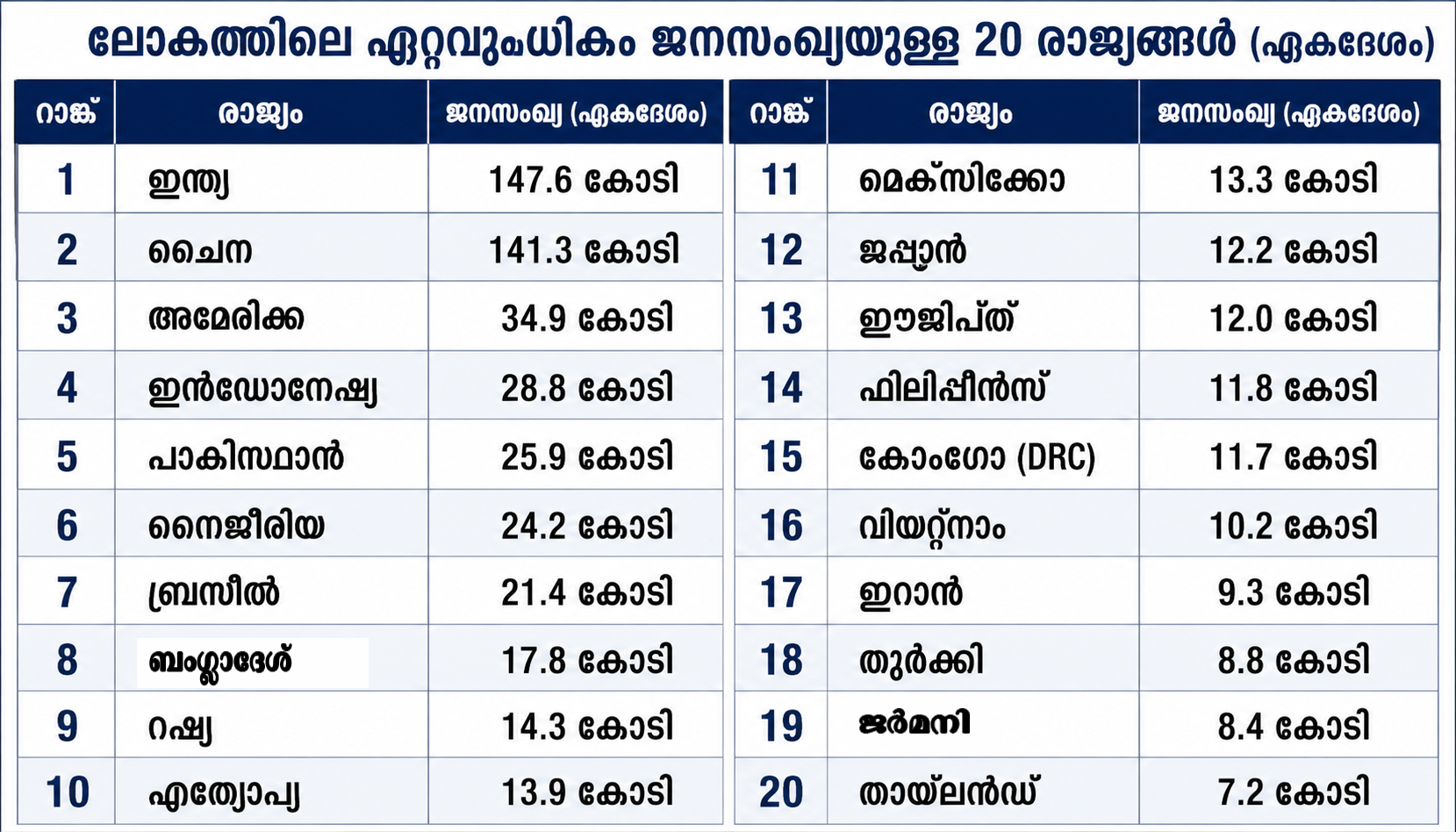
ലോകത്തിലെ ഏറ്റവും ജനസംഖ്യയുള്ള 20 രാജ്യങ്ങൾ
ഇന്ത്യയും ചൈനയും ചേർന്നാൽ ലോക ജനസംഖ്യയുടെ മൂന്നിലൊന്നിലധികം ആളുകൾ ഈ രണ്ട് രാജ്യങ്ങളിലാണ് താമസിക്കുന്നത്.
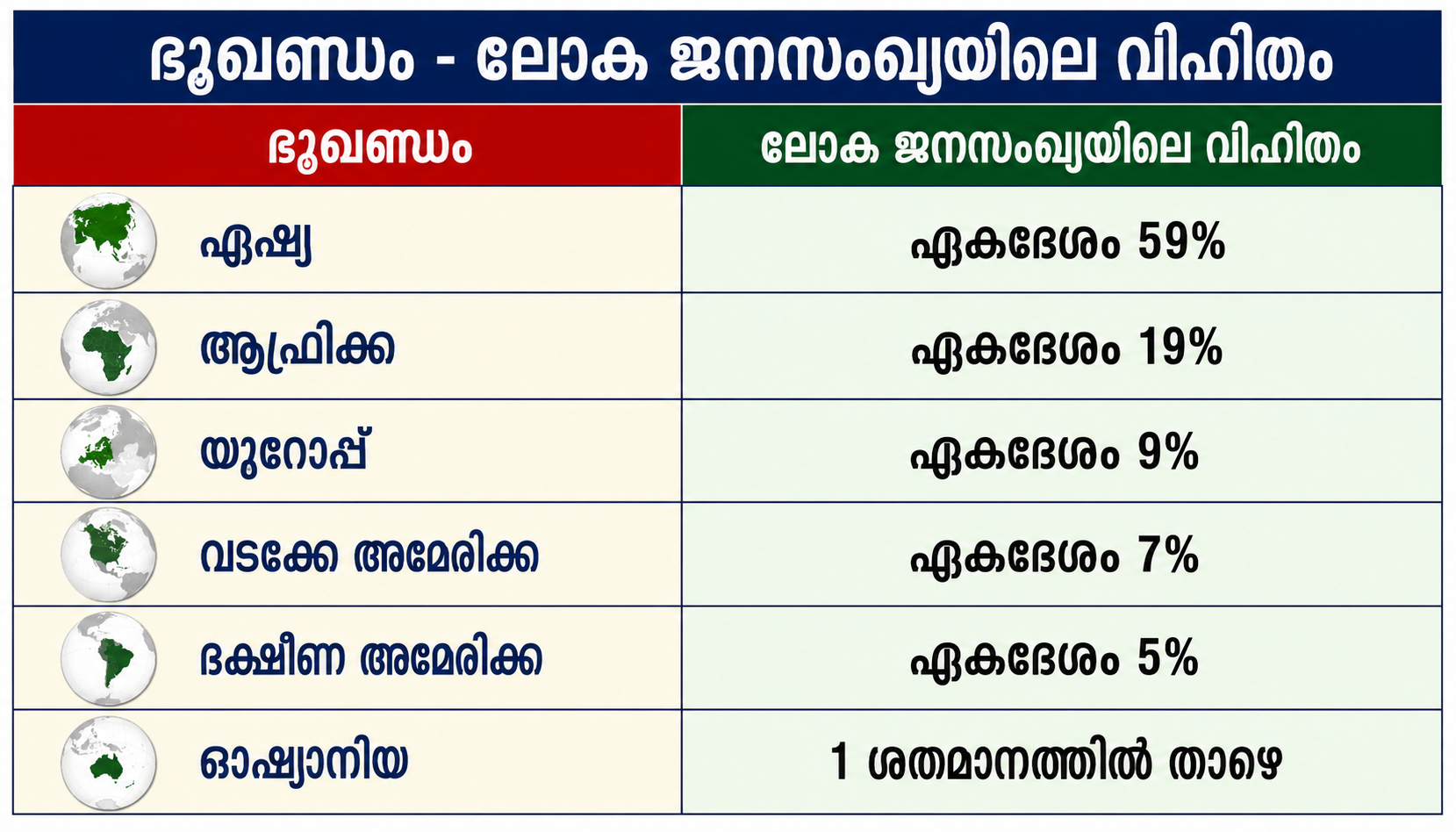
ഭൂഖണ്ഡങ്ങൾ അനുസരിച്ചുള്ള ലോക ജനസംഖ്യ
ഇതിൽ നിന്ന് വ്യക്തമാണ് ലോക ജനസംഖ്യയുടെ കേന്ദ്രം ഇന്നും ഏഷ്യ തന്നെയാണെന്ന്. എന്നാൽ വരും ദശകങ്ങളിൽ ഏറ്റവും വേഗത്തിൽ വളരുന്നത് ആഫ്രിക്കയായിരിക്കുമെന്നാണ് യു.എൻ. പ്രവചിക്കുന്നത്.
ഇന്ന് ലോകം നേരിടുന്ന ഏറ്റവും വലിയ ചോദ്യം
ഒരുകാലത്ത് ചോദ്യം ഇതായിരുന്നു:
“ജനസംഖ്യ ഇത്ര വേഗം കൂടുന്നത് എങ്ങനെ നിയന്ത്രിക്കും?”
ഇന്ന് ചോദ്യം മറ്റൊന്നാണ്.
“ജനസംഖ്യ കുറയുന്ന രാജ്യങ്ങൾ അവരുടെ സമ്പദ്വ്യവസ്ഥ എങ്ങനെ നിലനിർത്തും? അതേസമയം യുവജനസംഖ്യ വർധിക്കുന്ന രാജ്യങ്ങൾ അവർക്ക് വിദ്യാഭ്യാസവും തൊഴിലും എങ്ങനെ ഉറപ്പാക്കും?”
ഈ രണ്ട് ചോദ്യങ്ങൾക്കുള്ള ഉത്തരമാണ് ഇന്നത്തെ ലോക ജനസംഖ്യാ ചർച്ചകളുടെ കേന്ദ്രവിഷയം.
അടുത്തതായി “ഭാഗം 2″ൽ ലോക ജനസംഖ്യാ മാറ്റങ്ങളുടെ ശാസ്ത്രീയ കാരണങ്ങൾ, Demographic Transition, ചൈനയിലെ ജനസംഖ്യാ ഇടിവ്, യൂറോപ്പിലെ വാർധക്യം, ആഫ്രിക്കയിലെ ജനസംഖ്യാ സ്ഫോടനം എന്നിവ വിശദമായി അവതരിപ്പിക്കാം.