കൊൽക്കത്ത, 2026 നവംബർ 19:
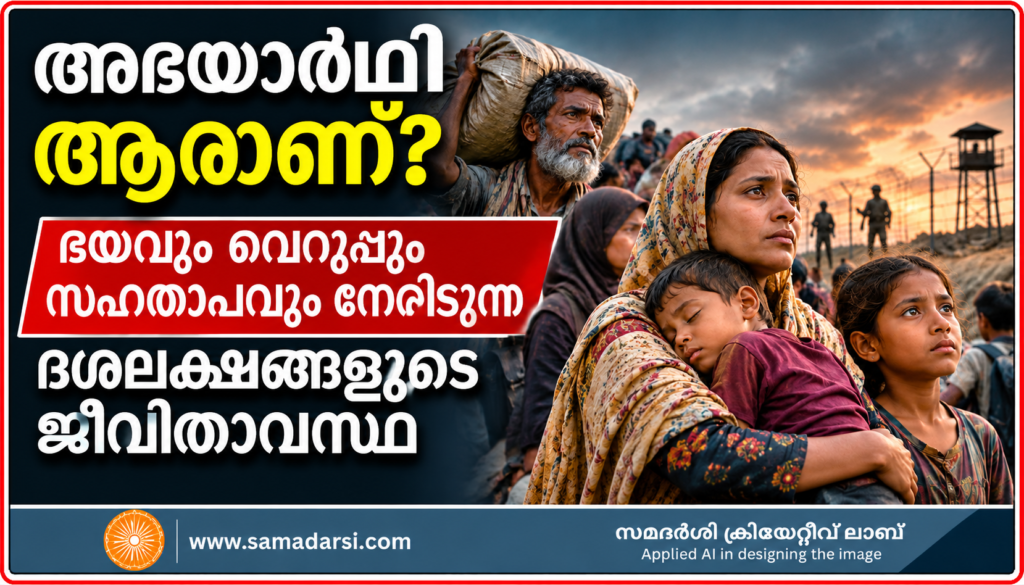
യുദ്ധം, മത-വംശീയ പീഡനം, രാഷ്ട്രീയ അടിച്ചമർത്തൽ തുടങ്ങിയ സാഹചര്യങ്ങളിൽ സ്വന്തം നാട് വിട്ടുപോകേണ്ടിവരുന്ന ദശലക്ഷക്കണക്കിന് മനുഷ്യരുടെ ജീവിതാവസ്ഥയാണ് അഭയാർഥി എന്ന പദം അടയാളപ്പെടുത്തുന്നത്. അഭയാർഥികളെക്കുറിച്ചുള്ള തെറ്റിദ്ധാരണകളും രാഷ്ട്രീയ പ്രചാരണങ്ങളും ശക്തമാകുന്ന സാഹചര്യത്തിൽ, ആരെയാണ് യഥാർഥത്തിൽ അഭയാർഥി എന്നു വിളിക്കേണ്ടതെന്നും കുടിയേറ്റക്കാരിൽനിന്നും അഭയം തേടുന്നവരിൽനിന്നും അവരെ എങ്ങനെ വേർതിരിക്കാമെന്നും വിശദീകരിക്കുന്ന ദൃശ്യാവിഷ്കാരമാണ് ടെലഗ്രാഫ് ഇന്ത്യ പ്രസിദ്ധീകരിച്ചത്.
അഭയാർഥി എന്നതിന് അന്താരാഷ്ട്ര നിർവചനം
1951ലെ ഐക്യരാഷ്ട്രസഭയുടെ അഭയാർഥി കൺവെൻഷൻ അനുസരിച്ച്, വംശം, മതം, ദേശീയത, പ്രത്യേക സാമൂഹിക വിഭാഗത്തിലെ അംഗത്വം, രാഷ്ട്രീയ നിലപാട് എന്നിവയുടെ പേരിൽ പീഡനം നേരിടുമെന്ന് ന്യായമായ ഭയമുള്ളതിനാൽ സ്വന്തം രാജ്യം വിട്ടുപോകുകയും ആ രാജ്യത്തിന്റെ സംരക്ഷണം തേടാൻ കഴിയാതിരിക്കുകയോ ഭയം കാരണം അതിന് തയ്യാറാകാതിരിക്കുകയോ ചെയ്യുന്ന വ്യക്തിയാണ് അഭയാർഥി.
അതായത്, മെച്ചപ്പെട്ട ജീവിതസാഹചര്യം തേടി മറ്റൊരു രാജ്യത്തേക്ക് പോകുന്ന എല്ലാവരും അഭയാർഥികളല്ല. സ്വന്തം രാജ്യത്ത് സുരക്ഷിതമായി ജീവിക്കാൻ കഴിയാത്ത സാഹചര്യം അഭയാർഥി പദവിയുടെ നിർണായക ഘടകമാണ്.
കുടിയേറ്റക്കാരനും അഭയം തേടുന്നയാളും ഒരുപോലെയല്ല
തൊഴിൽ, വിദ്യാഭ്യാസം, കുടുംബം, ജീവിതസൗകര്യങ്ങൾ തുടങ്ങിയ കാരണങ്ങളാൽ രാജ്യം മാറുന്നവരാണ് പൊതുവെ കുടിയേറ്റക്കാർ. എന്നാൽ സ്വന്തം നാട്ടിൽ പീഡനമോ അപകടമോ നേരിടുമെന്ന ഭയത്താൽ മറ്റൊരു രാജ്യത്ത് സംരക്ഷണം തേടുന്നവരാണ് അഭയം തേടുന്നവർ.
അഭയം തേടുന്ന ഓരോ വ്യക്തിക്കും അഭയാർഥി പദവി സ്വാഭാവികമായി ലഭിക്കണമെന്നില്ല. ബന്ധപ്പെട്ട അധികാരികൾ അവരുടെ സാഹചര്യം പരിശോധിച്ചശേഷമാണ് പദവി സംബന്ധിച്ച തീരുമാനമെടുക്കുന്നത്.
ഇന്ത്യയിലെ അഭയാർഥി സാഹചര്യം
അഭയാർഥികളെ സംബന്ധിച്ച് സമഗ്രമായ പ്രത്യേക നിയമം ഇന്ത്യയിൽ നിലവിലില്ലെന്നാണ് ദൃശ്യാവിഷ്കാരത്തിന്റെ ഉപശീർഷകം ചൂണ്ടിക്കാട്ടുന്നത്. എന്നിരുന്നാലും വിവിധ കാലഘട്ടങ്ങളിൽ പല രാജ്യങ്ങളിൽനിന്നും എത്തിയ അഭയാർഥി സമൂഹങ്ങൾക്ക് ഇന്ത്യ അഭയം നൽകിയിട്ടുണ്ട്.
അഭയാർഥികൾ എന്ന പദം രാഷ്ട്രീയ ചർച്ചകളിൽ പലപ്പോഴും ഭയം, വെറുപ്പ്, സഹതാപം തുടങ്ങിയ വികാരങ്ങളുമായി ബന്ധിപ്പിക്കപ്പെടുന്നുണ്ടെങ്കിലും, അതിന്റെ കേന്ദ്രത്തിൽ സുരക്ഷയും മനുഷ്യാവകാശവും നഷ്ടപ്പെട്ട മനുഷ്യരുടെ ജീവിതമാണെന്ന് അവതരണം ഓർമിപ്പിക്കുന്നു.
Disclaimer: The information published on Samadarsi.com is provided for general news, informational, educational, and public awareness purposes only. While every reasonable effort is made to ensure the accuracy, reliability, and timeliness of the content, Samadarsi Communication LLP does not guarantee that all published information is free from errors, omissions, or inaccuracies. The views and opinions expressed in opinion articles, guest columns, interviews, and reader comments are solely those of the respective authors and do not necessarily reflect the views of Samadarsi Communication LLP. Readers are encouraged to independently verify any information before making financial, legal, medical, political, or personal decisions based on the content published on this website. Samadarsi.com reserves the right to update, modify, correct, or remove any content at any time without prior notice. Any links to external websites are provided solely for the convenience of users, and we do not endorse or accept responsibility for the content, security, accuracy, or privacy practices of such third-party websites. All trademarks, logos, images, and other copyrighted materials appearing on this website remain the property of their respective owners.